

How to Choose Foot Massage Tools for Long Shifts in 2026
Last Updated: November 15, 2026
Quick Summary
Foot massage tools for long shifts are compact rollers or balls that give tired feet a short, comfortable break during a shift or after work. Choose one based on where your feet ache, its size and portability, and how easy it is to clean. They work best as part of a simple, repeatable routine.
- Pick a tool that fits in your work bag or locker so you will use it.
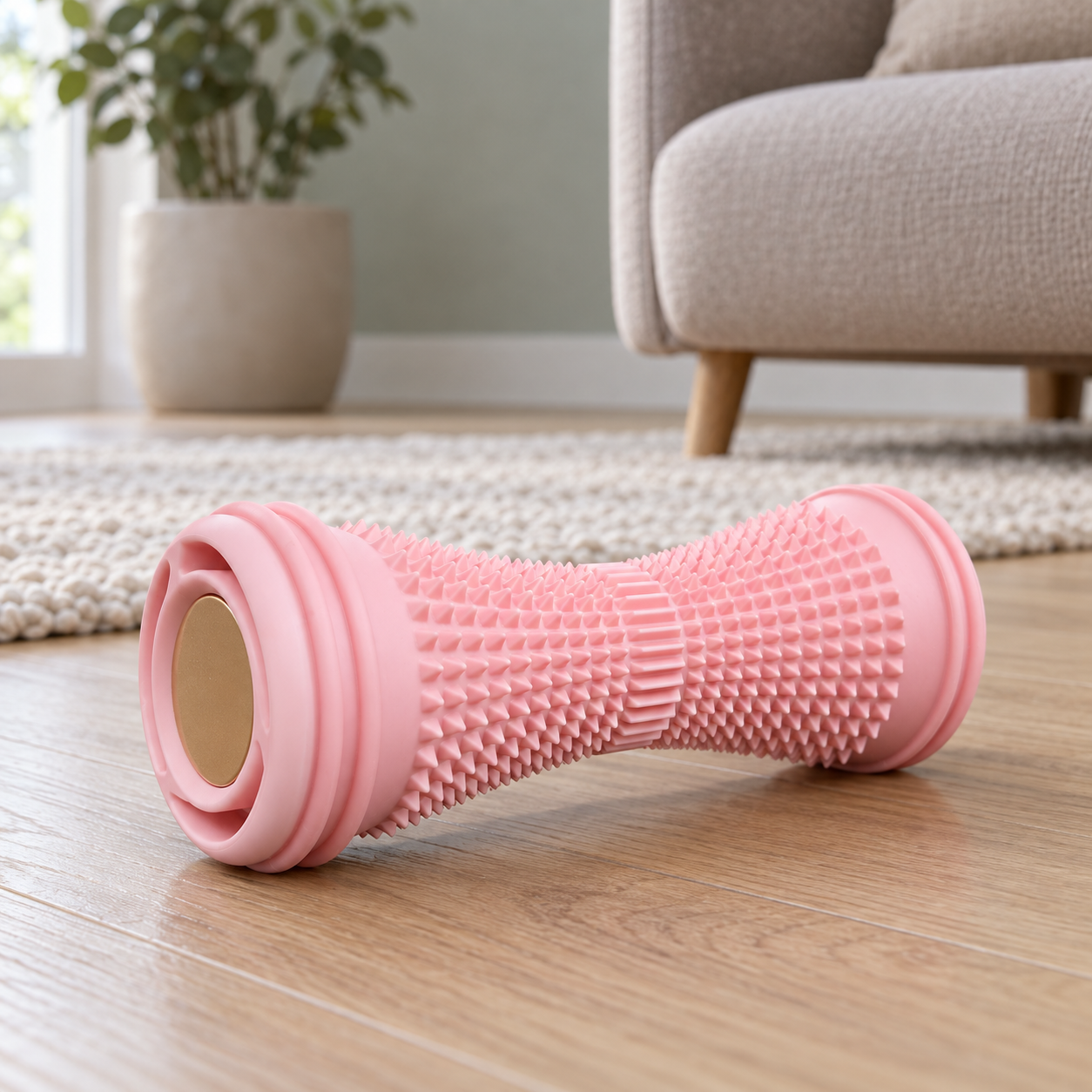
- The Foot Fascia Wheel Muscle Massage Roller costs $27.00 AUD and suits seated breaks.
- Roll slowly for three to five minutes per foot, keeping pressure comfortable.
- Elevate your feet for about five minutes to ease heavy, swollen feeling after shifts.
- Do not roll over bruised, swollen, numb or broken skin; see a health professional if symptoms persist.
Table of Contents
- Why Long Shifts Leave Your Feet Sore
- What to Look for in Foot Massage Tools for Long Shifts
- Best Foot Massager for Standing All Day: Matching the Tool to Your Shift
- Foot Roller for Sore Feet: How It Works and Who It Suits
- How to Massage Feet After Work: A Simple Post-Shift Routine
- How Long Should You Use a Foot Massager? Timing and Safety
- Choosing Your Foot Massage Tool Before Your Next Shift
- Frequently Asked Questions
Why Long Shifts Leave Your Feet Sore
Standing for a full shift puts steady load through your heels, arches and ankles, and by late afternoon many people notice it as a dull ache or heavy feeling. You can read gentle ways to give tired feet a break for more practical options. Foot massage tools for long shifts are designed to give that tired area a short, comfortable break. They work best as part of a simple routine, not as a cure for ongoing pain.
Most of the strain comes from staying in one position. Muscles in the calves and soles stay switched on for hours, and shoes with limited support can make the problem worse. A few minutes of gentle rolling or pressure can make the rest of the evening feel more manageable, although the effect is usually temporary.
Many shift workers find that the same tired feeling returns each day. That pattern is a good signal to pay attention to footwear, breaks and timing, not only to add another tool. If the pain is sharp, worsening or lasting, speak with a suitable health professional.
What to Look for in Foot Massage Tools for Long Shifts
Start with what bothers you most. Arch tightness, heel tenderness and general foot fatigue each respond to slightly different pressure, so the right tool depends on where you feel it. You can browse our foot and ankle care range to see which tools are available.
Check size and shape before buying. A roller should be wide enough to sit comfortably under your sole, and a ball should fit in your hand without slipping. Think about where you will use it: at a workplace locker, beside a couch or in a hotel room.
Materials matter too. Firm, textured surfaces suit people who want more pressure, while softer options suit beginners. Look for clear care instructions so the tool stays hygienic and keeps its shape.
Finally, avoid buying on price alone. A simple tool you use every day usually does more good than a complicated one that stays in the cupboard.
Best Foot Massager for Standing All Day: Matching the Tool to Your Shift
The best tool for a long shift depends on three variables: how much you stand, what you wear on your feet, and when you can realistically use the tool. A nurse on a twelve-hour ward shift has different needs from a retail worker on a four-hour evening shift or a warehouse worker in steel-cap boots.
Match the tool to your work environment
Nurses and healthcare staff. Long shifts on hard hospital floors, often in supportive but rigid shoes, tend to produce arch and heel fatigue. A compact roller or spiky ball that fits in a locker or bag is the most practical choice because it can be used during a ten-minute break without removing shoes for long. Look for a tool with a firm but not aggressive surface, enough pressure to ease the arch, not so much that it feels bruised on already-sensitive feet.
Retail and hospitality staff. If you stand at a counter or move between tables, you may get short seated breaks rather than a full lunch break. A foot roller you can use under a chair is ideal here: it works with minimal setup, needs no power, and can be wiped clean between uses. Staff who wear flat, thin-soled shoes often benefit from rolling the whole sole, not just the arch.
Warehouse and trades workers. Safety footwear is heavy, stiff and often worn for ten or more hours. The priority after a shift is usually the heel and the ball of the foot, where pressure concentrates. A peanut-shaped massage ball or a wider roller gives more surface contact than a small spiky ball and is easier to use when your feet are tired and your hands are sore.
Office and desk-based workers. If you sit for part of the day, a roller used under the desk during calls or between tasks is the lowest-effort option. It keeps the foot moving without requiring a separate routine.
What to check before you buy
- Surface texture. Smooth rollers suit beginners and sensitive feet; textured or spiked surfaces deliver more intense pressure but are not ideal on skin that is already tender.
- Size and portability. A tool that fits in a work bag or locker will be used more often than one that stays at home.
- Material and cleaning. Look for non-porous surfaces that can be wiped with a damp cloth, especially if the tool is shared or kept in a workplace bag.
- Pressure control. You should be able to adjust pressure by shifting your body weight rather than pressing hard with your hands.
Product examples
At Movecraft, the Foot Fascia Wheel Muscle Massage Roller at $27.00 AUD is a practical seated option for short breaks. It is designed to sit under the sole while you are seated, and it includes one roller in the box. Best for: people who sit for part of the day and want a quick pause. Skip if: you need firm, full-body pressure during a short shift.
For a broader self-massage routine, the Acupressure & Massage Bundle at $79.99 AUD combines a dark grey acupressure mat, a matching pillow and a black peanut-shaped massage ball. The peanut ball is particularly useful for the heel and ball of the foot after a shift in safety footwear. Use each item according to its own instructions.
| Tool | Price (AUD) | Best for | Shift fit |
|---|---|---|---|
| Foot Fascia Wheel Muscle Massage Roller | $27.00 | Seated breaks | Quick pause at a desk or chair |
| Acupressure & Massage Bundle | $79.99 | Home routines | Evening recovery, including heel and ball-of-foot work |
Watch out: a tool that feels good in the shop may be too firm after a twelve-hour shift when your feet are already sensitive. Start with lighter pressure and build up over a week.
Foot Roller for Sore Feet: How It Works and Who It Suits
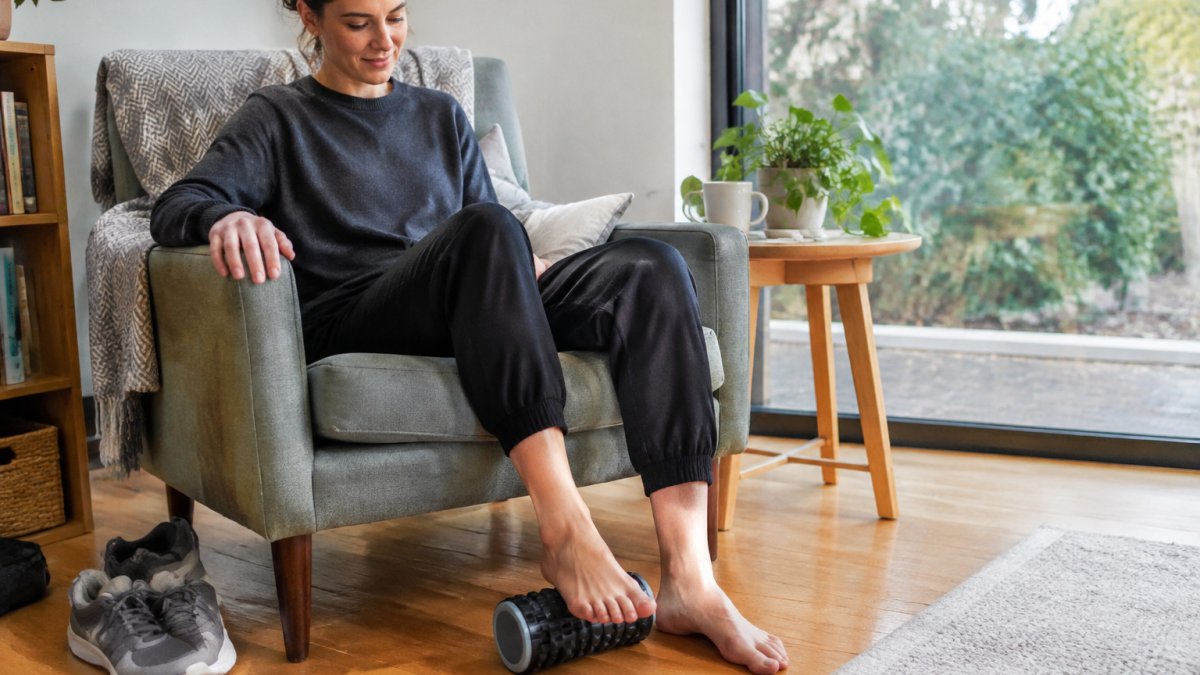
A foot roller works by letting you control pressure as you roll the arch slowly. You sit down, place the roller on a firm floor, and rest your foot lightly on top before moving it forward and back. Keep the pressure comfortable and stop if anything feels wrong.
Rollers suit people who like a steady, rhythmic movement. They are also useful for anyone who wants a seated option during a break. Because they are simple, they are easy to pack in a bag for work.
Avoid pressing hard on the arch if the area feels bruised, swollen or unusually painful. Change feet regularly, and do not roll over injuries or skin problems.
The Foot Fascia Wheel Muscle Massage Roller is a practical example. It is priced at $27.00 AUD and suits a seated foot break.
How to Massage Feet After Work: A Simple Post-Shift Routine
A post-shift routine works best when it is short, sequenced and repeatable. If you are wondering whether massage tools are worth adding to daily habits, this routine is a good place to start. The aim is not a long massage session but a consistent ten-to-fifteen-minute wind-down that addresses the areas that took the most load during your shift. The sequence below moves from general to specific: warm up the tissue, roll the sole, stretch the calf and foot, then elevate.
A ten-to-fifteen-minute sequence
1. Remove shoes and socks and walk barefoot for one minute (1 minute). This lets your feet move through their natural range after hours in confined footwear. If your workplace requires safety boots, this step matters more, not less.
2. Gentle hand massage of the sole (2 minutes per foot). Sit down and work from the heel toward the toes with your thumbs, using light-to-moderate pressure. Spend about thirty seconds on the arch. This warms the tissue before you introduce a tool.
3. Roll the sole with a roller or ball (3 to 5 minutes per foot). Place the tool on a firm floor and rest your foot lightly on top. Roll slowly from heel to ball of the foot, then side to side across the arch. Keep pressure comfortable enough that you can breathe easily. If you have a peanut-shaped ball, use the two lobes to cradle the heel or the ball of the foot.
4. Calf and toe stretch (2 minutes per foot). Stand facing a wall, place the ball of one foot against it and gently lean forward to stretch the calf. Then sit and use your hands to pull your toes gently toward you for a count of fifteen. Repeat twice per foot.
5. Elevate (5 minutes). Lie down or sit with your feet raised above heart level, a cushion or a couple of pillows is enough. This is the step most people skip, and it is the one that helps with the heavy, swollen feeling after a long shift.
Adapt the routine to your shift
- Twelve-hour shifts: keep the full sequence but shorten the rolling to three minutes per foot. Consistency matters more than duration.
- Evening or part-time shifts: a five-minute version, hand massage, rolling and elevation, is enough.
- Safety footwear: spend more time on the heel and ball of the foot, where stiff boots concentrate pressure.
- Warm weather or swollen feet: prioritise elevation and keep rolling pressure light.
What to avoid
Watch out: do not roll directly over a bruised, swollen or numb area, and do not use a massager on broken skin. If your feet feel more sore the next morning rather than less, reduce the pressure and duration at your next session.
A common pattern is that people who use a tool every evening for a week notice more benefit than those who do a long session once a week. Keep the routine where you can see it, beside the couch or at the foot of the bed, so it becomes part of your wind-down rather than another task.
How Long Should You Use a Foot Massager? Timing and Safety
Most people find that three to five minutes per foot is enough for a session. Longer sessions are not necessarily better, especially if your feet feel sore afterwards. Pay attention to how your feet respond the next morning.
Avoid using a massager on broken skin, swelling, numbness or areas with unexplained pain. People with diabetes, circulation problems or nerve conditions should check with a health professional before starting a new routine.
Stop if the tool causes sharp pain, tingling or discomfort that does not ease. Ongoing or worsening symptoms are a reason to see a suitable health professional.
Choosing Your Foot Massage Tool Before Your Next Shift
Start with the situation you face most. If you sit during breaks, a roller such as the Foot Fascia Wheel Muscle Massage Roller may suit you. If you want a wider routine at home, the Acupressure & Massage Bundle may be the better fit.
Check the specifications before you buy, and read the instructions for each item. Set a simple routine you can repeat, and adjust it if your feet feel worse rather than better.
At Movecraft, we want you to understand what each tool is for and how it could fit into your day. Explore our foot and ankle care range to compare options before your next shift.
Frequently Asked Questions
What is the best foot massage tool for tired feet after a long shift?
For most people on their feet all day, a foot roller or massage ball gives a quick, low-effort release that fits into a post-shift routine. A foot roller covers the arch and sole in one pass, which suits general tiredness, while a massage ball works better for pinpoint spots. Choose the tool that matches where your soreness sits, start with gentle pressure, and keep sessions short. The Foot Fascia Wheel Muscle Massage Roller at $27.00 AUD is a practical starting point for seated foot breaks.
Do foot rollers help relieve sore feet from standing all day?
Foot rollers can make sore feet feel more comfortable by easing tension across the sole and arch after hours of standing. Rolling slowly for a few minutes while seated can provide a short break and a sense of relief. They do not replace rest, supportive footwear or medical care for ongoing pain. If discomfort persists, worsens or affects how you walk, speak with a suitable health professional. Use only comfortable pressure and stop if anything feels wrong.
How long should you use a foot massage tool?
Most people find that five to ten minutes per foot is enough for a single session, especially after a long shift. Start with shorter sessions to see how your feet respond, and avoid pressing hard enough to cause pain. Using a tool once or twice a day is usually plenty for general tiredness. Stop if you notice numbness, tingling, swelling or increased pain, and check each product's own instructions before use.
When should you avoid using a foot massager?
Avoid foot massage tools if you have an injury, open wounds, a rash, swelling or circulation problems without first checking with a health professional. People with diabetes or nerve-related conditions should seek advice before use, as reduced sensation can hide injury. Do not use a tool on a painful area that is hot, bruised or inflamed. If pain is ongoing, worsening or accompanied by swelling, see a doctor or physiotherapist rather than relying on massage alone.
